
SCRAP’s Recycling Proposal
Blood ShotSCRAP’s attempt to build a solvent-recycling plant meets political obstruction and intimidation, while Nancy Cleghorn’s investigation reveals the conflict’s more dangerous stakes.
increasing Bearing strength in each event
 decreasing
Bearing strength in each eventdecreasingA Community Investment

A Local Alternative
The proposal
Caroline Djiak describes SCRAP’s plan for a solvent-recycling plant with funding, a site, and potential customers nearby.
A public benefit
The project promises jobs and a practical response to hazardous waste, making it both an environmental measure and an economic opportunity.
The proposal gives South Chicago residents a chance to shape industrial development rather than merely endure its consequences.
The Denied Hearing
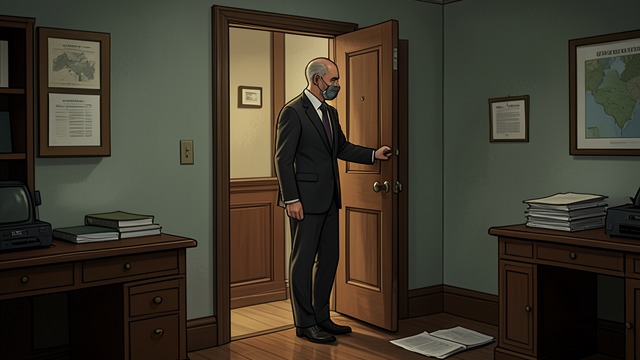
Procedure as Obstruction
A last-minute barrier
Martin O’Gara refuses to hear SCRAP’s application, citing legal problems despite the group’s preparations and earlier confirmation.
Community backing questioned
He claims unnamed residents oppose the proposal, undermining the organization’s claim of broad support without identifying any specific objection.
The bureaucratic decision stalls a project that could affect both local employment and pollution.
The Political Suspect
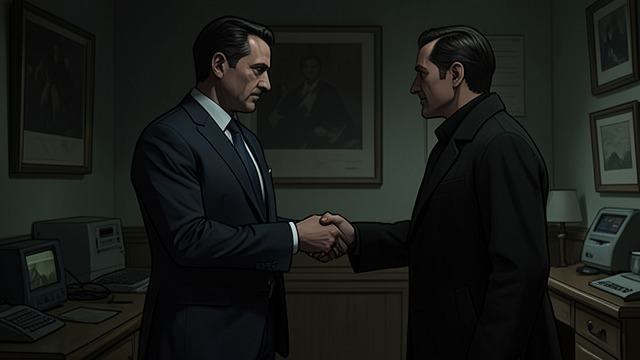
Suspecting Jurshak
A possible intervention
Caroline Djiak suspects Art Jurshak has blocked the application through his influence over the zoning process.
Uncertain motives
Nancy Cleghorn is reluctant to accept the theory, noting that Art Jurshak had previously seemed open to the project.
Their disagreement shows how political suspicion can guide inquiry while remaining short of proof.
Nancy’s Political Assignment
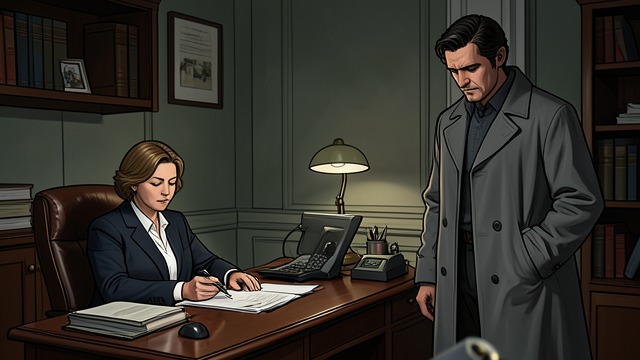
A Quiet Investigation
Divided tasks
Ron Kappelman handles legal options while Nancy Cleghorn agrees to investigate whether Art Jurshak is blocking the permit and why.
A secret contact
Ron suspects Nancy has a source in the ward office, perhaps someone she wishes to protect from scrutiny.
The informal investigation places Nancy close to political information she cannot safely share with her colleagues.
A Cause Under Pressure
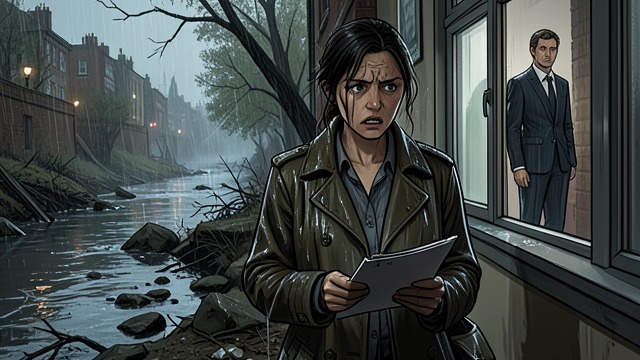
The Work Continues
Personal danger
Threats and Nancy Cleghorn’s killing show that environmental advocacy can provoke violence when it challenges entrenched interests.
Institutional resistance
Caroline Djiak continues working with lawyers and environmental officials even as she fears for Louisa Djiak and V. I. Warshawski.
The project remains unfinished, but its persistence reflects the community’s refusal to treat pollution as inevitable.
the night Nancy Cleghorn visits Louisa Djiak’s home
the evening SCRAP’s submission is excluded from the zoning agenda
during the first discussion of the blocked application
in the week before Nancy Cleghorn’s death
after the attack on V. I. Warshawski
